What does an AC service actually aim to do?
A planned service assesses and maintains the condition of an existing air-conditioning installation. It should have an agreed scope covering the relevant indoor and outdoor equipment, with findings explained afterwards. It is different from a repair visit prompted by a new leak, error, electrical trip or loss of performance, although maintenance may reveal something that needs separate diagnosis or remedial work.
Tell the engineer about known symptoms before booking. A request to clean a working bedroom unit is not the same as a request to investigate water running down a wall. Accurate booking information helps define access, time and any additional work, and avoids assuming that every problem will be resolved within a routine service price.
Build the interval around equipment and use
Follow the manufacturer’s instructions and applicable warranty conditions for the installed model. Professional annual maintenance is a common starting point, but actual use and environment matter. Daikin’s maintenance guidance distinguishes professional servicing from the regular owner care that may also be required. The correct routine for your system should be established from its own documentation and condition.
A customer-area unit running through long trading days has a different operating pattern from a bedroom used for occasional summer cooling. Equipment serving winter heating as well as cooling may accumulate use across both seasons. Tell the engineer about those patterns, and report changes when a guest room becomes a daily office or a separate studio returns to regular use.
What to clarify in the service scope
Ask which indoor units, outdoor units, controls, drainage components and accessible connections are included. If several rooms share one outdoor system, name each room rather than describe the installation simply as “one AC”. Include condensate pumps and any unusual access requirements. A clear equipment list makes it easier to understand what was inspected and what remains outside the visit.
Cleaning accessible filters is only one part of care. Relevant inspection may include airflow surfaces, drainage condition, operation and visible external protection, with the exact work determined by the model and agreed scope. Do not assume every service includes invasive testing, replacement parts or all possible repairs. Those responsibilities should be explained before additional work is authorised.
- Identify equipment by room and model where possible.
- Describe pumps, concealed drain routes and high-level positions.
- Ask how findings and inaccessible components will be recorded.
- Separate routine care from quoted remedial work or fault investigation.
Why drainage and access deserve attention
During cooling, condensate needs a suitable route away from the indoor unit. A long concealed drain or an associated pump can be easy to overlook when the visible filter looks clean. Mention stains, unusual pump noise or earlier blockages. Do not remove covers or pour chemicals into an unknown route to prepare for a visit; describe the symptom and let the scope be agreed.
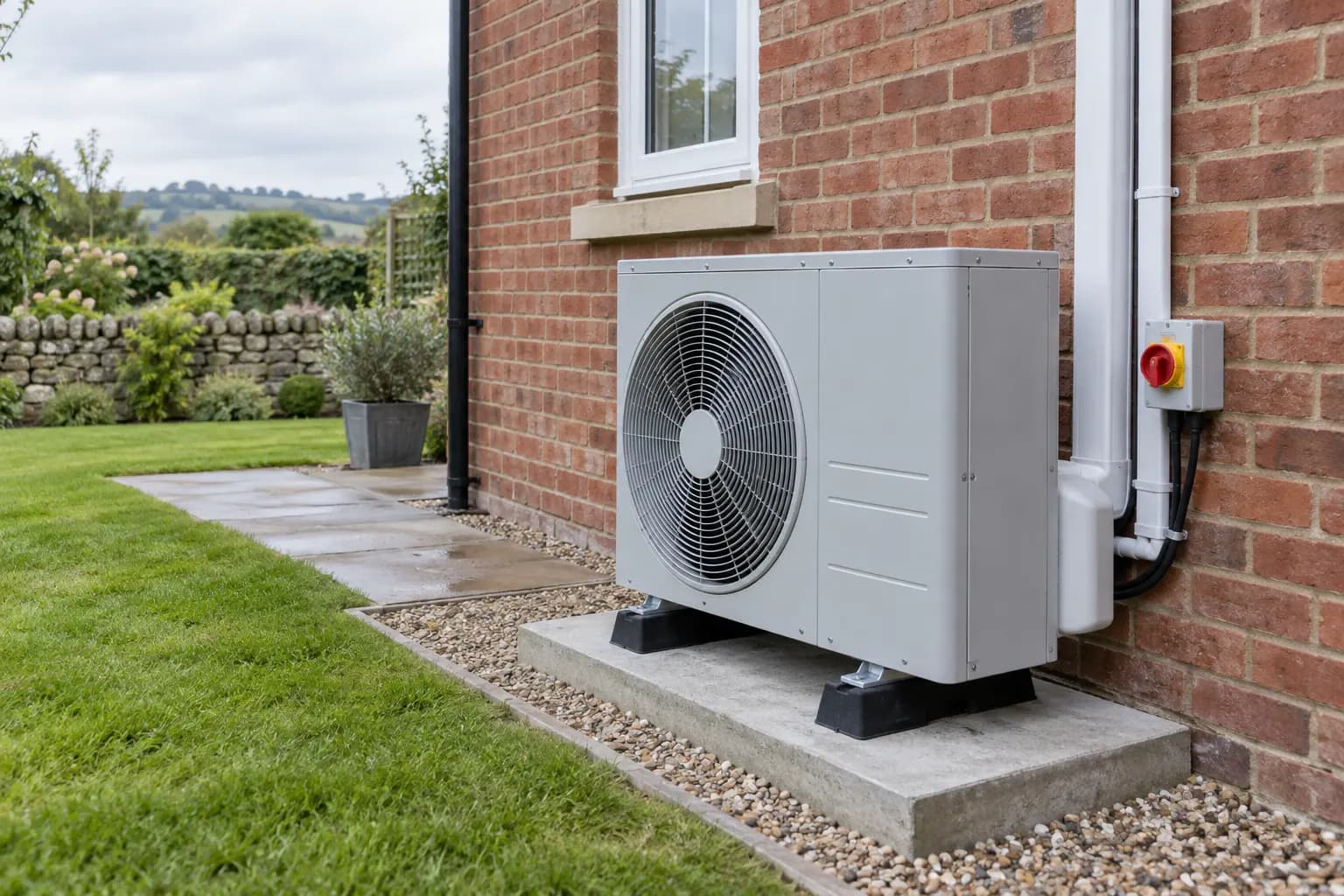
Access also changes over time. A wardrobe beneath a unit, new garden planting or stored items beside a condenser can make an originally workable installation difficult to maintain. Show the current layout, not only an old installation photograph. Clearing normal working space is helpful, but occupants should not climb unsafely or dismantle equipment to make it accessible.
Assess coastal exposure at the unit, not by postcode
A sheltered outdoor position can experience different conditions from an open elevation at the same property. Describe visible debris, weathering and any new screen or garden structure. The maintenance recommendation should be based on the actual equipment, surroundings and manufacturer guidance rather than a blanket statement that every coastal unit needs identical treatment.
Photographs taken safely from similar viewpoints can help compare condition between visits. They should support a professional assessment, not substitute for it. Surface appearance alone cannot establish internal condition, and an outdoor unit that looks weathered is not automatically beyond repair. Ask any recommendation to distinguish observation, routine cleaning, protection work and component damage.
What can the owner do between professional visits?
Keep the model instructions accessible and follow only the owner-care tasks they permit. Filter care depends on the filter type and whether it is safely reachable. Avoid assuming that every filter can be washed or that any household cleaner is suitable. Do not open service panels or work on electrical or refrigerant components as part of ordinary housekeeping.
Observe rather than dismantle: note changes in noise, room comfort, error messages and drainage, and keep normal clearance around equipment where you can do so safely. Report persistent changes promptly. A phone photograph of a display or a short description of when a sound occurs can be useful without exposing anyone to high-level access, moving fans or live equipment.
Know when to request a repair instead
Stop using equipment with concerning symptoms such as electrical tripping, a burning smell, visible damage or water leaking indoors, and seek appropriate professional help. Repeated resets are not a repair and can remove useful information about an intermittent problem. Record the first error and what the system was doing if that can be done safely.
Not every interruption indicates failure. Some heating pauses may relate to normal defrost or control behaviour, so consult the model instructions and describe the duration and conditions. The distinction should be made from the actual equipment and symptoms. A general article cannot diagnose a specific unit or confirm that it is safe to keep operating.
Leave the visit with a record you can use
Retain a dated report identifying equipment, work completed, findings and recommendations. Ask which parts were inaccessible and whether any performance concern remains unresolved. If further work is advised, the scope should explain what is confirmed, what requires additional diagnosis and what is conditional on parts availability. A record tied to the actual units is more useful than a generic “serviced” note.
Keep that report with installation information and previous repairs. It helps the next visit start from an informed position and makes recurring issues easier to recognise. Maintenance supports reliable operation, but it cannot guarantee that faults never occur or promise a fixed reduction in bills; usage, weather, settings and tariffs still affect the result.