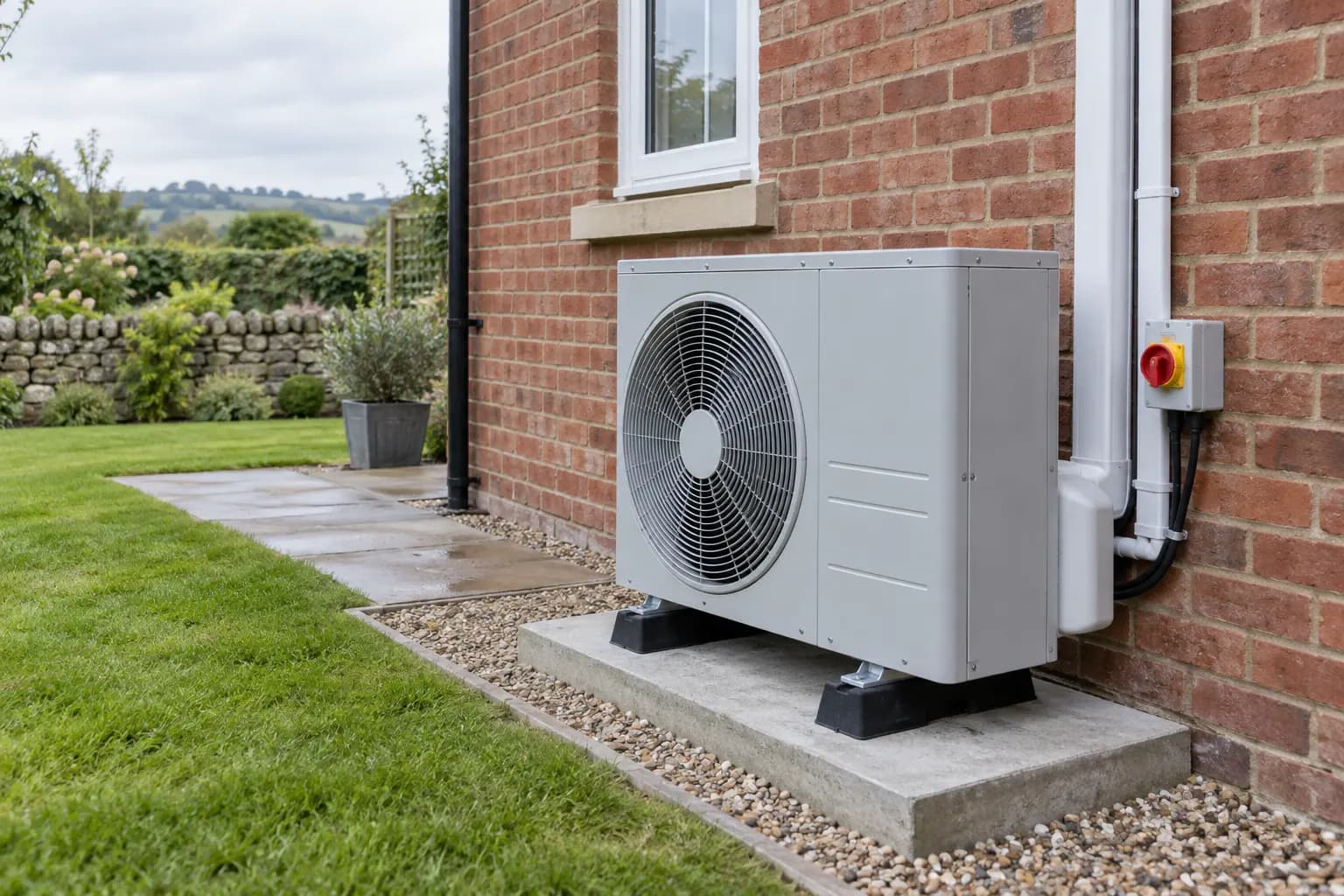
Solar can reduce imported electricity, but the timing matters
An air-conditioning system operating in heating mode can use electricity generated by solar panels. When generation exceeds the other electrical demand at that moment, some of the surplus can supply the AC instead of being exported. The useful question is how much surplus coincides with a real need for heating, not simply whether the property has panels.
A daytime workspace may offer more opportunity for direct self-consumption than a room used only after sunset. However, household appliances, weather and seasonal generation all affect the available surplus. Start with actual monitoring information if you have it. An annual generation total cannot show whether electricity is available during the winter hours when a particular room needs warmth.
“Free heating” leaves out an important comparison
If you receive an export payment, electricity used by the AC is electricity you cannot export at the same time. That forgone payment has value even when no additional electricity is imported from the grid. Ofgem’s Smart Export Guarantee guidance explains the framework for eligible generators receiving payment for exported electricity; your own tariff determines the relevant rate and terms.
This does not mean onsite use is a poor choice. It means the comparison should include both avoided imports and forgone exports, with the same useful heating outcome on each side. Avoid describing every solar-powered hour as free, and do not assume a particular tariff or payment arrangement applies to every household.
A worked example with clearly stated assumptions
Suppose an AC system uses 1 kWh of electricity during an hour when the property has enough solar surplus to supply all of it. Assume an import price of 25p per kWh and an export payment of 10p per kWh. These are deliberately illustrative figures, not current market rates, a product consumption claim or a forecast for your installation.
Supplying that same 1 kWh from the grid would cost 25p. Using the solar surplus avoids that import, but gives up 10p of export income. Compared with exporting the electricity and importing the same amount later at those assumed rates, the simple difference is 15p. This calculation concerns electrical energy, not the amount of heat the system delivers or a comparison with gas heating.
If only 0.6 kWh of the demand is supplied from surplus and the other 0.4 kWh is imported, the assumed import charge is 10p and forgone export income is 6p. The combined comparison value is 16p for that 1 kWh of electrical use. Real costs need your own readings and tariff terms; standing charges, storage losses and alternative heating arrangements are outside this simplified example.
Check whether the building can use earlier warmth
Scheduling some heating during a sunny period may help if the room will be occupied soon afterwards and retains enough warmth. The useful outcome is a comfortable room when needed. Running the AC only to consume available generation is not automatically beneficial if the resulting heat is unwanted or largely lost before anyone uses the space.
Test a modest schedule against actual room temperature and comfort, with the equipment operated according to its instructions. Record whether a later heating period becomes shorter or whether you have simply added extra operation. Different insulation, glazing and room uses can produce different results, so avoid copying a schedule from another property without checking what it achieves in yours.
Winter capacity must stand on its own
Solar availability should not determine whether the room has enough heating capacity. A system intended to provide dependable winter warmth must be selected for the room’s heat loss, operating conditions and occupancy, including periods with little generation. If existing heating remains, define when and where it contributes rather than assume the AC will cover unspecified spaces.
Ask the proposal to explain the intended heating role and available output under relevant conditions. An ordinary room AC installation also leaves domestic hot-water provision separate. This is particularly important when solar enthusiasm turns into a plan to change a wider heating system: electricity self-consumption is an operating choice, while suitability for the building is a design question.
Batteries and time-of-use tariffs need a separate calculation
A battery can shift electricity between times of day, but that adds storage losses, capacity limits and different charging choices. A time-of-use tariff can also change the value of importing or exporting at particular times. The simple direct-solar example above should not be reused unchanged for a system that stores energy or varies prices through the day.
Keep the boundary of the comparison clear. Are you choosing between heating now and later, between using solar onsite and exporting it, or between AC and another heater? Each question needs different inputs. Ask for assumptions to be written down and compare the same comfort requirement, rather than combine several possible savings into one percentage with no identifiable baseline.
Collect the information that makes an estimate useful
A few representative days of generation, household demand and AC operation can reveal more than a large annual number. Include dull days as well as sunny ones, and winter observations where available. Note the occupied room temperature and any other heating in use, since electricity readings without the comfort outcome can be misleading.
Share this information during the design discussion if you already have it; installing monitoring is not a prerequisite for asking about AC. Where readings are unavailable, estimates should remain clearly conditional. The aim is to understand the likely operating opportunity without inventing precise annual savings or implying that a specific Dorset postcode guarantees sufficient winter sun.
- Import and export tariff rates, including time periods where applicable.
- Solar output and other household demand during likely heating hours.
- The rooms occupied, required temperatures and existing heating schedule.
- Any battery arrangement, with its operating assumptions considered separately.
What should you do next?
First establish whether AC heating suits the room without relying on solar. Then assess how its intended schedule overlaps with available generation and your tariff arrangement. This order avoids choosing equipment around an attractive savings claim before confirming that it can provide the comfort required.
For an enquiry, describe the room, working or occupancy hours, existing heating and whether you have solar or battery monitoring. Ask for a clearly scoped installation proposal and transparent operating assumptions. Solar can be part of a useful year-round comfort plan, but the result should be judged against your building and usage rather than a promise of universally free heat.